

Retaining Walls in Landscaping: Design, Function, and Long-Term Value
Retaining Walls in Landscaping: Design, Function, and Long-Term Value
Golf Course Landscaping: How Design, Land Shaping, and Nature Come Together
Golf Course Landscaping: How Design, Land Shaping, and Nature Come Together
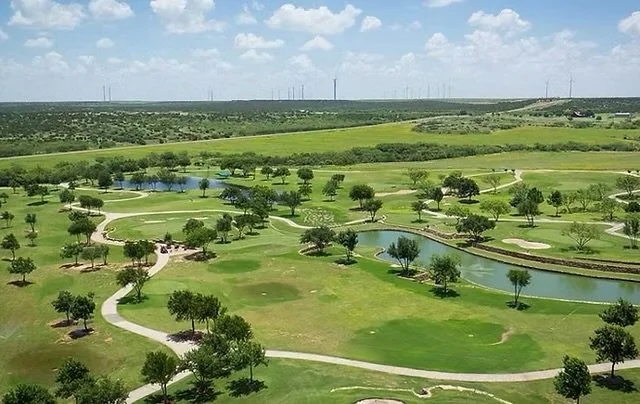
Designing and building a golf course is one of the most complex landscaping projects in the world. Far beyond mowing grass and placing bunkers, golf course landscaping involves large-scale land shaping, environmental planning, turf management, and long-term sustainability.
From raw land to playable fairways, here’s how professional landscaping principles shape every successful golf course.
Site Analysis: The Foundation of Golf Course Landscaping
Every golf course begins with a detailed site evaluation. Landscape architects and golf course designers assess:
Existing topography and elevation changes
Soil composition and drainage capacity
Native vegetation and tree coverage
Water sources, wetlands, and flood zones
Strong natural contours reduce the need for heavy earthmoving and create a course that feels organic rather than manufactured. Preserving mature trees and natural features also lowers landscaping costs and improves environmental outcomes.
Land Shaping and Earthwork
Land shaping is where golf course landscaping truly takes form. Using heavy equipment and skilled shaping techniques, contractors sculpt:
Fairway corridors
Green complexes
Tee boxes
Bunkers and waste areas
The goal is to create flowing, natural-looking contours that blend seamlessly into the surrounding landscape. Modern golf course construction emphasizes minimal disturbance, allowing the land’s natural character to guide the final design.
Proper grading is essential for:
Drainage performance
Turf health
Visual appeal
Long-term maintenance efficiency
Turf Selection and Grass Management
Choosing the right turfgrass is one of the most critical landscaping decisions. Grass selection depends on climate, water availability, sun exposure, and maintenance goals.
Common golf course grasses include:
Bentgrass for greens in cooler climates
Bermuda grass for warm regions
Fescue for naturalized areas and rough
Landscape-focused designs increasingly use native and drought-tolerant grasses to reduce water consumption and chemical use. These choices also add texture and contrast across the course.
Drainage, Irrigation, and Water Features
Effective golf course landscaping relies heavily on water management. Subsurface drainage systems prevent flooding and protect turf health, while precision irrigation systems deliver water efficiently.
Water features such as ponds and streams serve multiple purposes:
Visual enhancement
Strategic course design
Stormwater management
Irrigation reservoirs
Sustainable landscaping practices often include recycled water systems and smart irrigation technology to minimize environmental impact.
Native Landscaping and Environmental Stewardship
Modern golf course landscaping prioritizes environmental responsibility. Many courses now incorporate:
Native plant buffers
Pollinator habitats
Naturalized rough areas
Tree preservation plans
These elements reduce maintenance costs while enhancing biodiversity and visual appeal. Landscaping professionals work closely with environmental consultants to ensure compliance with regulations and conservation goals.
A well-landscaped course should enhance the local ecosystem—not replace it.
Bunkers, Pathways, and Finishing Details
Landscape detailing brings the course together. Sand bunkers are shaped to look natural while remaining playable and maintainable. Cart paths, bridges, and walkways are carefully placed to minimize visual intrusion and erosion.
Strategic landscaping around tees and greens frames sightlines, defines playing areas, and creates memorable visuals that golfers associate with premium course design.
Long-Term Golf Course Landscape Maintenance
Golf course landscaping doesn’t end at opening day. Ongoing maintenance ensures the course matures beautifully over time. Superintendents manage:
Mowing patterns and heights
Seasonal turf transitions
Tree growth and pruning
Soil health and aeration
Well-planned landscaping reduces long-term maintenance costs and allows the course to evolve naturally with age.
Why Landscaping Defines Great Golf Courses
The world’s best golf courses are remembered not just for their playability, but for how they feel. Thoughtful landscaping creates rhythm, flow, and harmony between sport and nature.
When golf course landscaping is done right, the result is a living landscape—one that challenges players, protects the environment, and improves with time.